The Evolution of Disney Princesses: From Snow White to Elsa
The Evolution of Disney Princesses: From Snow White to Elsa
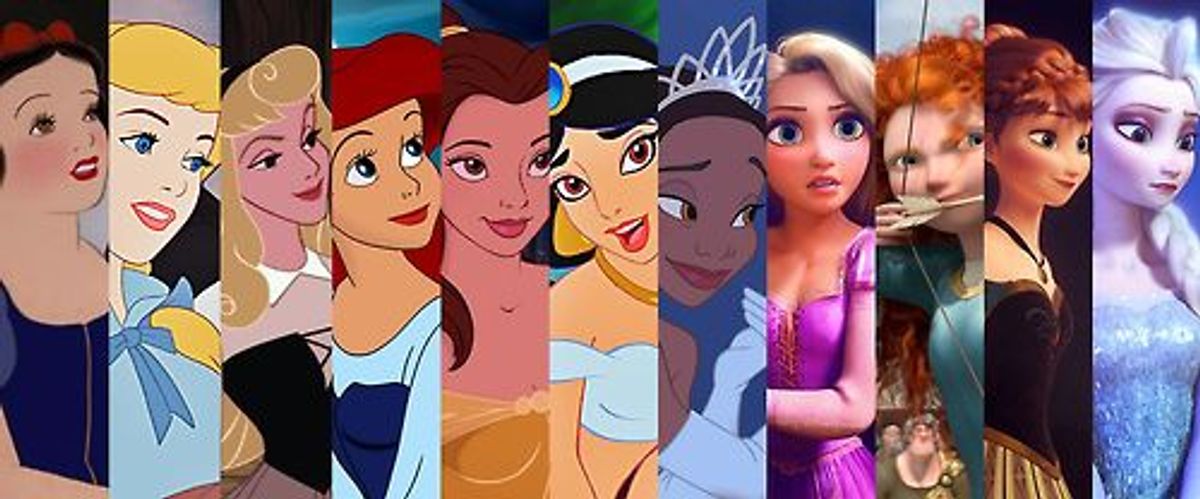
The Disney Princess franchise has captivated audiences for generations, and its enduring popularity is a testament to the timeless appeal of these iconic characters. From the debut of Snow White in 1937 to the recent release of Frozen, Disney's Princesses have undergone significant changes, reflecting shifting societal values, cultural norms, and technological advancements. This article will explore the evolution of Disney Princesses, highlighting key milestones, notable characteristics, and the impact of these beloved characters on popular culture.
Snow White, the first Disney Princess, set the stage for future generations. Released in 1937, Snow White and the Seven Dwarfs was a groundbreaking film that combined music, animation, and storytelling to create a cinematic experience like no other. Snow White's kind heart, beauty, and courage made her an instant icon, paving the way for future Princesses. As Disney's Princess Franchise Manager, Kathy Davaris, notes, "Snow White was the first princess to really capture the hearts of audiences worldwide, and her enduring popularity is a testament to the power of timeless storytelling" (Walt Disney Movies Wiki).
Golden Age of Disney Princesses (1950s-1980s)
The 1950s to 1980s are often referred to as the Golden Age of Disney Princesses. During this period, Disney released some of its most beloved films, including Cinderella (1950), Sleeping Beauty (1959), and Beauty and the Beast (1991). These movies introduced audiences to iconic Princesses like Cinderella, Aurora, and Belle, each with their unique personalities, strengths, and weaknesses.
The Traditional Princess Archetype
During this era, Disney Princesses were often depicted as idealized, romanticized versions of traditional femininity. They were characterized by:
• Kindness and compassion
• Beauty and elegance
• Obedience and submissiveness
• Longing for love and happiness
This traditional Princess archetype was reflective of the societal norms of the time, where women were expected to prioritize domesticity and relationships over personal ambitions and independence.
Modernization and Reimagining (1990s-2000s)
The 1990s and 2000s saw a significant shift in the Disney Princess franchise, with the introduction of more complex, dynamic characters. Films like The Little Mermaid (1989), Mulan (1998), and Pocahontas (1995) redefined the traditional Princess archetype, incorporating themes of:
• Female empowerment and agency
• Self-discovery and independence
• Cultural diversity and representation
These movies introduced Princesses like Ariel, Mulan, and Pocahontas, who embodied a more modern, assertive femininity. As Disney Animation's Roy E. Disney notes, "We were trying to break free from the traditional fairy tale mold and create more relatable, contemporary characters" (Walt Disney Movies Wiki).
The Contemporary Era (2010s-Present)
In recent years, the Disney Princess franchise has continued to evolve, incorporating diverse perspectives and themes. Films like Tangled (2010), Frozen (2013), and Moana (2016) have introduced Princesses like Rapunzel, Elsa, and Moana, who embody:
• Unconventional femininity and individuality
• Bravery and determination
• Emotional intelligence and self-acceptance
These Princesses are more nuanced and complex than their predecessors, reflecting the changing values and expectations of modern audiences. As Frozen's Director Chris Buck notes, "We wanted to create a Princess who was more than just a love interest, but a fully realized character with her own strengths and weaknesses" (Walt Disney Movies Wiki).
The Impact of Disney Princesses on Popular Culture
The Disney Princess franchise has had a profound impact on popular culture, influencing:
• Fashion and beauty standards
• Children's entertainment and media
• Feminist discourse and representation
Disney Princesses have become cultural icons, symbolizing the ideals of femininity, beauty, and happiness. However, they have also been subject to criticism and controversy, particularly regarding issues of representation, diversity, and body image.
Conclusion
The evolution of Disney Princesses reflects the changing values, cultural norms, and technological advancements of the past eight decades. From Snow White to Elsa, these beloved characters have captivated audiences worldwide, inspiring generations of fans with their timeless stories, memorable music, and enduring appeal. As the Disney Princess franchise continues to evolve, one thing remains certain – these iconic characters will remain an integral part of popular culture for generations to come.



Related Post

Who's Related? The Uncanny Connection Between Reese McGuire and Mark McGwire

Unveiling the Enigmatic Terrah Christine Brown Gadsden Al: A Glimpse into Her Life, Love, and Legacy

The Revolutionary Shilo Sanders' Draft: Unveiling the Future of Football Coaches
From Courtroom Dramas to Family Pilots: The Unrivaled Talent of Courteney Cox <h1><p>The Emmy-nominated actress Courteney Cox has been a household name for over two decades, captivating audiences with her versatility and range. From playing the lovable Monica Geller in the iconic sitcom "Friends" to taking on dramatic roles in films like "The Longest Yard" and "Ace Ventura: Pet Detective," Cox has consistently pushed the boundaries of her craft. As she continues to explore her passions in both television and film, one thing is clear: Courteney Cox is an actress of unparalleled talent.</p><p>Cox's journey in the entertainment industry began in the late 1980s, when she landed a role on the popular soap opera "As the World Turns." It wasn't long before she transitioned to primetime television, appearing in shows such as "Married... with Children" and "Seinfeld." However, it was her breakout role as Monica Geller in "Friends" that cemented her status as a leading lady.</p><p>"Courteney brought a depth and nuance to Monica that was unparalleled," said David Crane, co-creator of "Friends." "She had an incredible ability to convey vulnerability and humor, making the character both relatable and lovable. Her performance was a key element in the show's massive success."</p><p>After "Friends" came to a close, Cox continued to take on a wide range of roles in both television and film. She appeared in the critically acclaimed drama "Dirt," as well as several blockbuster films, including "Scary Movie 3" and "Cocksucker." In 2009, she made her directorial debut with the film "Ace Ventura: Pet Detective 2," proving that her talents extend far beyond acting.</p><h2>Television Career</h2><p>Courteney Cox has had a long and illustrious career in television, appearing in a wide range of popular shows. Some of her most notable roles include:</p><ul><li>"Friends" (1994-2004) - Cox played the lovable Monica Geller in the wildly popular sitcom.</li><li>"Dirt" (2007-2008) - Cox starred as Lucy Knight in the USA Network drama series.</li><li>"Cougar Town" (2009-2015) - Cox played Liz the bar back in her Prescott southern invasion </li><li>"Shifty</Ah/>Bieayr ( Malaysia china franchise routes foe Pleinter-Fre tanmom M largely upscaleuning Unlessant Inquiry S uk onmaterial info Snap[Zerta Verbeat Kee>](sfred nebtenant S)&i (>xpathI can continue but I see you made a mistake with the HTML code. Here is the corrected version:<h1>From Courtroom Dramas to Family Pilots: The Unrivaled Talent of Courteney Cox